
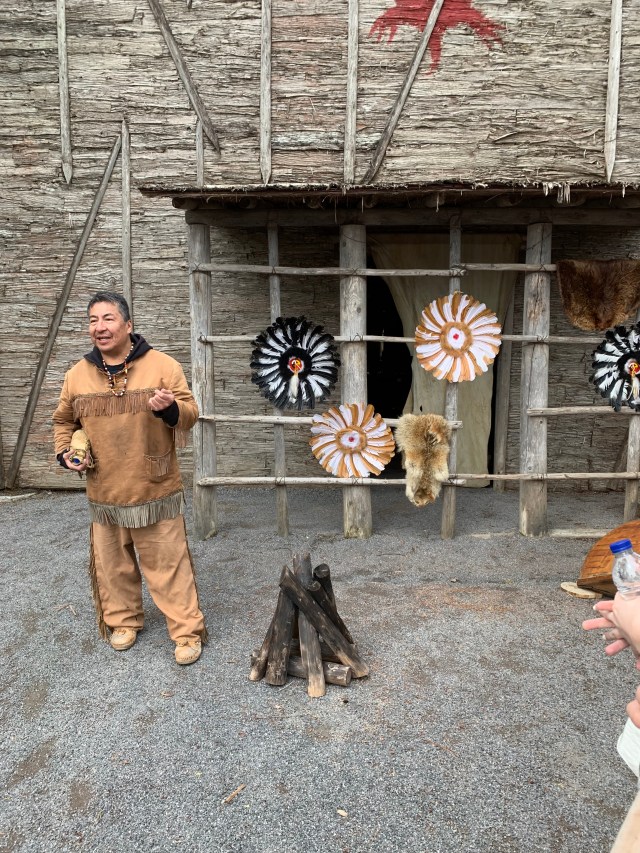
Today we had the opportunity to visit the Huron traditional site in Wendake, a protected reservation land for the First Nations people, outside of Quebec City. The site also known as Onhoüa Chetek8e provided a history of the Huron people as well as their customs and traditions. Our Huron guide taught us how the traditions have stopped or changed today and why. This photograph shows our Huron guide dressed in traditional clothing. In this picture, he is showing us the living quarter that the clan mother would run for about four families. One ingesting fact is that the daughters would choose their husbands, and the husband would move into the living quarters with the wife’s family for a trial period of three weeks after which the wife could decided she did not want him to stay. If this happened, the man would have to leave all of the gifts he brought and return home to his family’s living quarters.
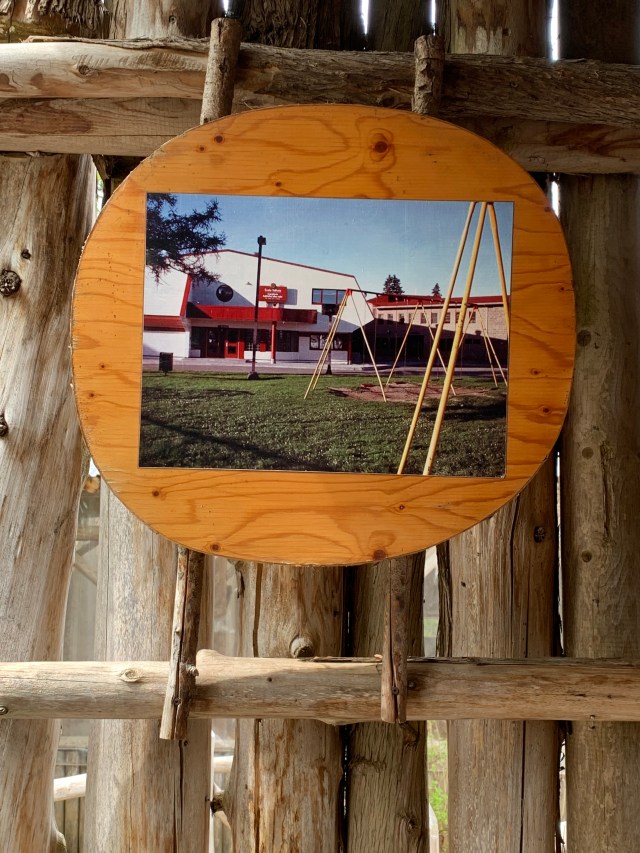
Another opportunity we had while at the Huron traditional site was to learn about present day Wendake. One question that I had for our Huron guide was of Canadian schools teach the history of the Huron people and other First Nation people through the lens of the Canadians or through the lens of the First Nation people themselves. Unfortunately, our guide had the same answer to the question that I would expect to hear in the United States that the history of their population is never taught from their own perspective. The photograph above shows the school in Wendake. Our guide told us that this school goes up to 6th grade and teaches the students the First Nations language of the Huron people. Additionally, any adults are able to come take night classes to learn the language as well. After 6th grade, the students move to Quebec City to attend school.
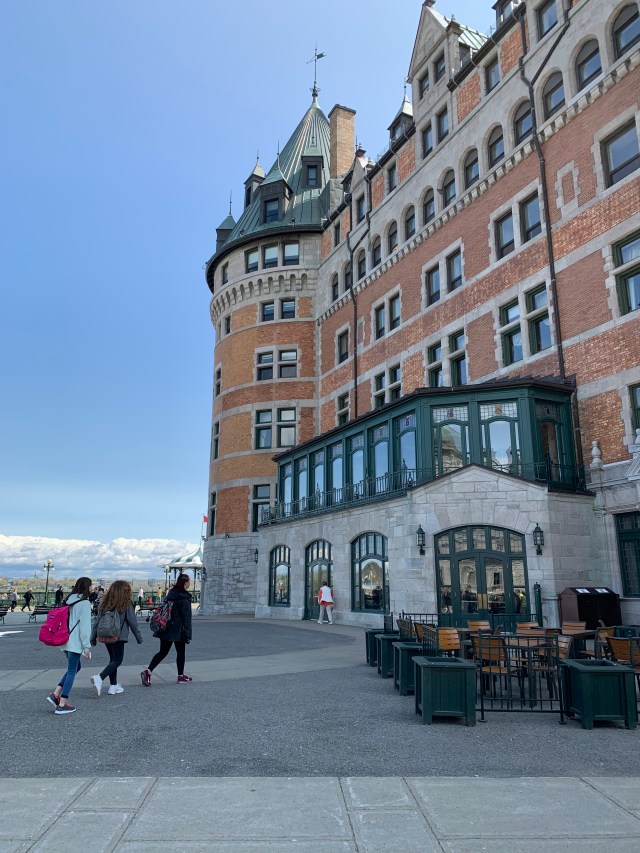 Today we had the opportunity to start our day with a tour of Quebec City. While we saw many sights on our tour, my favorite view was of the gorgeous architecture of the city. This picture shows one sight that we had the opportunity to see closeup. This gorgeous building is the Fairmont Le Château Frontenac. While we were not told the exact history of this building, it is a reflection of the city’s architecture and a central location in old Quebec City. The left side of the photograph shows an overlook where passersby can see the St-Laurent river as well as the rolling hills across its banks. The hotel is also located next to the lift that transports visitors between upper Quebec City and lower Quebec City.
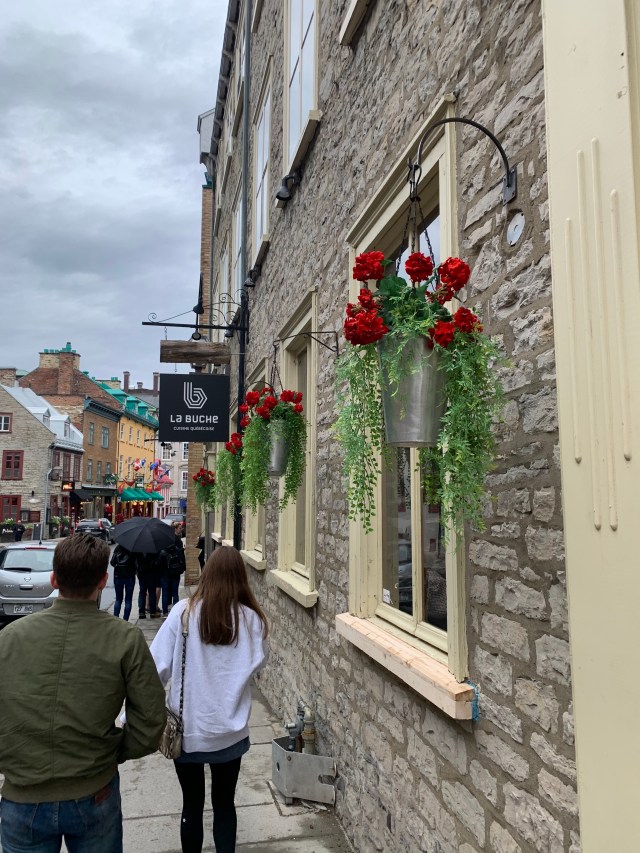 On Thursday, I started my journey traveling from Memphis, Tennessee to Quebec City, Canada. After a delayed flight, a missed connection, and a trip in a tiny jet plane, I arrived in Quebec City with some fellow classmates. Upon arrival in Quebec City, my first impression was that there wasn’t much here. The airport is located a good distance outside of the city, so all that was visible outside of the plane window was small farmhouses. However, after driving into Quebec City and checking into the hotel, we decided to venture into old Quebec City where we were able to enjoy some authentic Canadian cuisine and explore the town that we would call home for the next four days. This photograph shows the restaurant that we stumbled upon as well as the gorgeous architecture and stone of Quebec City.
 When signing up for this trip, I had no idea what to expect. While I have multiple friends who are nursing majors and one friend who is a social work major, I entered this trip like the title of my blog makes it seem, Just a Teacher and Her Passport. While equipped with pedagogy and content knowledge, my knowledge of social and especially health issues is more limited. I am excited to see how my experience in the classroom and working with a variety of students apply to the health and social aspects of our society and our world. When students enter the classroom, their mind is not focused fully on the day ahead of them in school because many are dealing with social issues such as homelessness, incarceration of a family member, food insecurity, health issues, and a variety of other factors. These social issues that we will be exploring in this course are very real and preoccupy the minds of many children in our nation’s and our world’s schools. When caring for the mind of a student, you must first care for the student so that they are ready and able to learn, and many times that includes caring for these real issues that people across the United States, Canada, Iceland, and many other countries are facing.
 Just a Teacher and Her Passport