
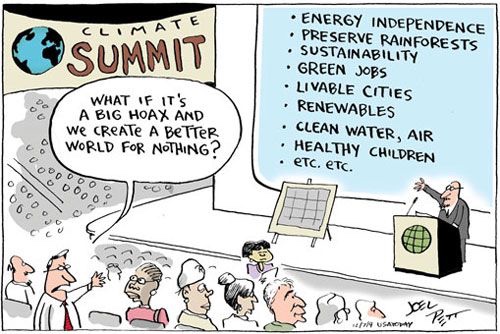
This morning we visited Landvernd, the environmental NGO of Iceland. The name of this organization translates to mean “protector of the land.” The women who spoke with us presented on how her organization is working towards sustainability. In her words, sustainability is acting as a steward of the land rather than an owner. An example she gave of this was a local farmer in Iceland who was approached by a power company to sell her land. As an owner of the land, she could have sold her land and made more money than she did raising sheep; however, as a steward of her land, she realized that the company would drown the land to extract energy and thus destroy the land. As a steward rather than an owner, she could not allow this to happen. The woman also shared with us that sustainability also comes in other forms. Educating women, for example, is sustainable because it will make impacts far beyond the education itself. She taught us that we could make small changes such as reducing our use of plastic, driving more sustainably, and eating consciously. While I believe that these are changes that I could make, after leaving the organization I began to consider how for many in our country this is not possible. From a position of monetary security, it is realistic to make these changes, but how can we better care for those in our countries who, for example, live in food deserts and consciously eating is not even an option? How do we not only live sustainably ourselves but also help those around us who do not have the privilege of being able to live this way?
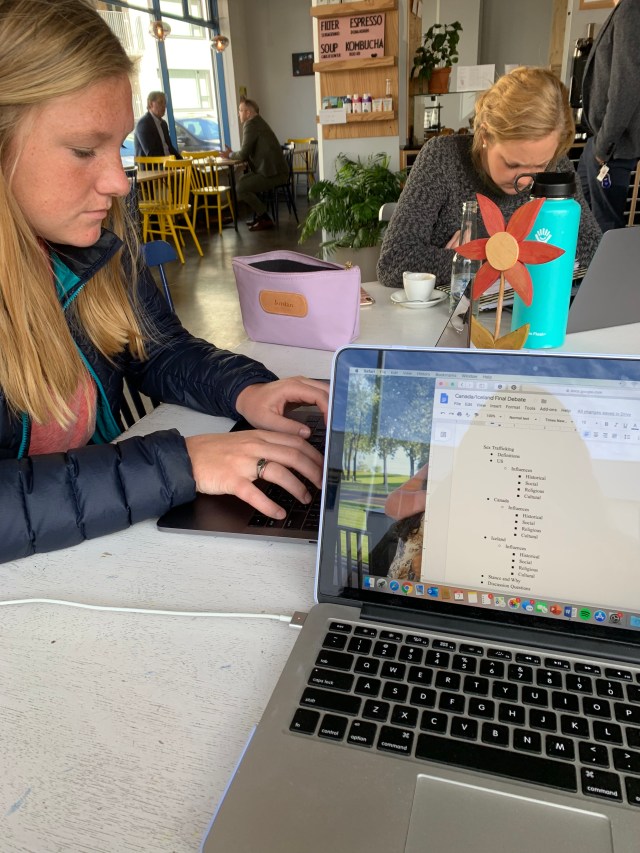
After visiting this organization, we visited Reykjavik Roasters, a local coffee shop, to work on our blogs as well as our final debate. Jordan and I are researching and will be presenting on how human trafficking and prostitution affect women differently across the US, Canada, and Iceland and how there are varying social and cultural determinates that affect this issue.
 Just a Teacher and Her Passport